
Categories
Anchorage AKPublished September 28, 2026
Understanding Mortgage Rates for Buyers and Sellers in Anchorage, AK

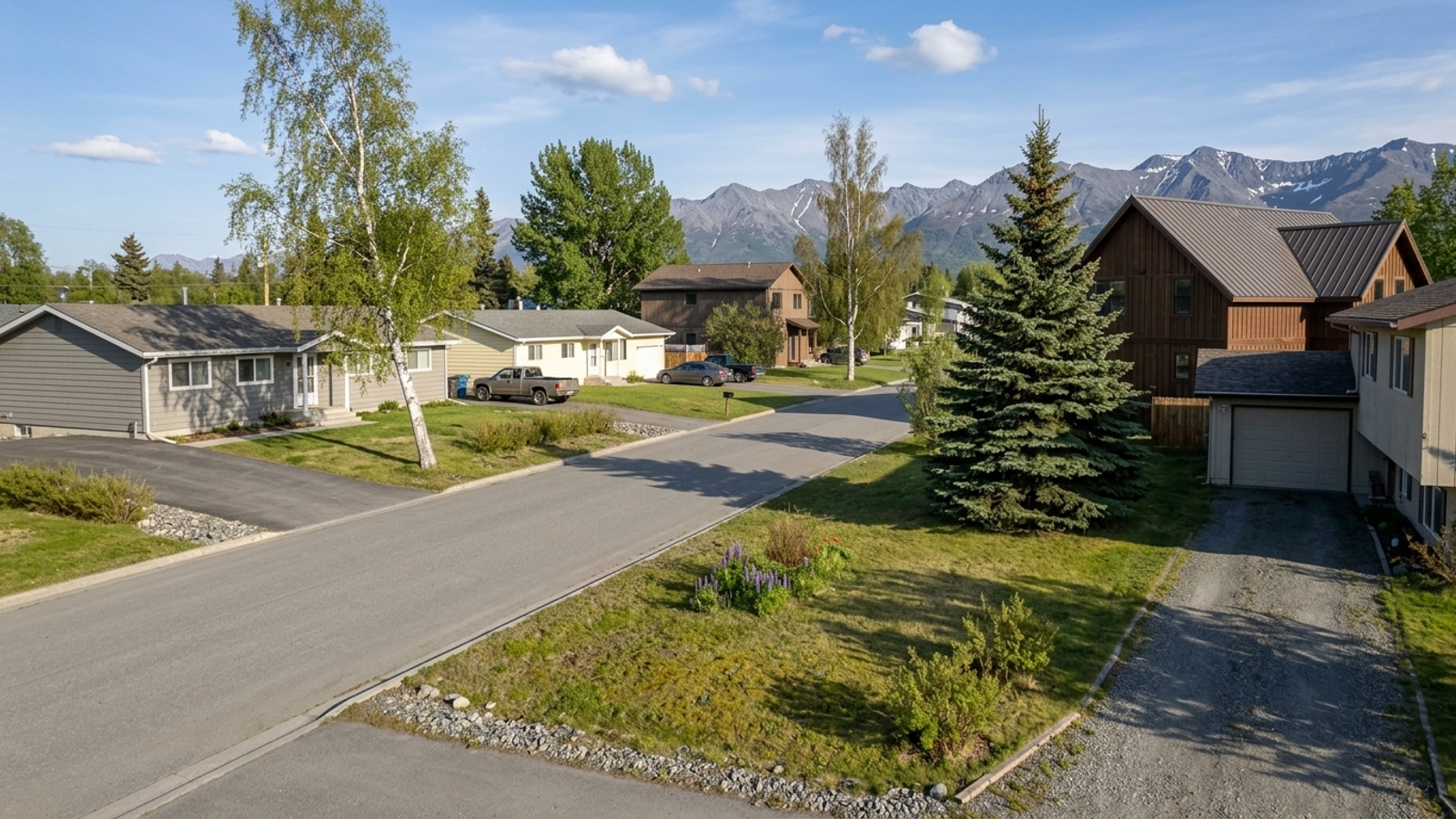
Homes in Anchorage, AK are moving fast - median sale price around $464,692, and properties are spending a median of just 9 days on the market. This pace is especially challenging for first-time home buyers in Anchorage, AK. If you're not already pre-approved when you find the right place, you're probably too late.
That's why understanding how borrowing costs shape your budget matters before you ever set foot in a showing. Whether you're buying your first home in the Municipality of Anchorage or getting ready to list, interest rates determine what you can afford - and how many buyers are out there competing for what's available.
How Mortgage Rates Are Set in Anchorage
Borrowing costs move constantly, driven by inflation, economic data, and events happening well outside Alaska's borders. Average 30-year fixed rates in Alaska sat around 6.84% in July 2026, down slightly from the previous month - but rates had generally climbed in the weeks before that, pushed up by rising borrowing costs and global tensions tied to conflicts in the Middle East.
These numbers shift daily. What you read in financial news is a national or state average, not the rate a lender will quote you.
Where to Find Your Actual Rate
The only way to know what you'll pay is to apply. When you get pre-approved, the lender provides a formal Loan Estimate spelling out your specific interest rate, estimated monthly payment, and closing costs. That document is the only reliable number in this whole conversation.
Why Rates Change Daily
Mortgage markets work like the stock market - investors are constantly buying and selling mortgage-backed securities. When economic reports show high inflation or strong job growth, bond prices drop, yields rise, and mortgage rates follow them up. Signs of economic cooling tend to bring them back down. There's no pause button on any of it.
How Rate Changes Affect Your Buying Power
Even a fraction of a percentage point changes your monthly payment and your long-term costs in ways that add up fast. When rates climb, the maximum loan you qualify for shrinks - meaning you may need to look at lower-priced homes just to hit the same monthly payment you'd planned on.
Here's the part that matters in Anchorage specifically: homes are selling at an average of 100.47% of list price. You're unlikely to negotiate a big enough price reduction to cancel out a higher rate. That's why you need to run the numbers across different rate scenarios before you get attached to a particular property.
Comparing Monthly Payments by Rate
To make this concrete - take a buyer purchasing at the Anchorage median price of roughly $465,000 with a 20% down payment. At a 6% interest rate, the principal and interest payment on a 30-year fixed loan runs roughly $2,230 per month. Push that rate to 7%, and the same payment jumps to about $2,475 per month. That's a real difference every single month.
Balancing Price and Interest
The question buyers wrestle with is whether to stretch for a specific home regardless of where rates sit. The more useful frame is your total monthly payment - principal, interest, property taxes, and insurance together - not the purchase price in isolation. A number that works in your budget is the number that matters.
Choosing Between Fixed and Adjustable-Rate Mortgages
The loan type you choose directly determines the rate you get. Lenders price different products based on the risk they carry and the length of the repayment term, so two buyers purchasing the same house can end up with meaningfully different rates depending on what they choose.
Your timeline for staying in the home and your comfort with uncertainty should drive that decision. A lender can run the numbers on several loan types side by side so you can see the difference.
30-Year vs. 15-Year Fixed Loans
A 30-year fixed-rate mortgage is the most common choice - spreading repayment over three decades keeps the monthly payment manageable. A 15-year fixed loan usually comes with a lower interest rate, but the compressed schedule pushes your monthly payment up considerably. Lower total interest paid, higher monthly commitment.
Adjustable-Rate Mortgages and Government Loans
An adjustable-rate mortgage (ARM) typically starts with a lower rate for an introductory period - often five or seven years - then adjusts annually based on market conditions. You also have access to government-backed options: FHA, VA, and USDA loans each carry their own rate structures and qualification rules that differ from conventional mortgages. Worth asking your lender to walk through which ones you might qualify for.
Steps to Secure a Favorable Mortgage Rate
You can't move markets, but you can control your own financial profile. Lenders save their best rates for the borrowers who represent the least risk - that's just how it works.
Getting your finances in shape before you apply can save you real money over the life of your loan. Ideally, you're looking at your credit and savings situation several months before you plan to buy, not the week you find the house you want.
Improving Your Credit and Down Payment
Your credit score is the single biggest personal factor in what rate you'll receive. Strong credit gets you better terms; lower scores mean the lender prices in more risk, and you pay for it. A larger down payment also helps - it reduces the loan-to-value ratio, which can work in your favor when the lender is deciding what to offer.
Shopping Around and Locking Your Rate
Apply with more than one lender. Comparing formal Loan Estimates side by side is the only way to know whether you're getting a competitive offer. Once you have an accepted offer on a home and you've found a rate you're comfortable with, ask about a rate lock - an agreement that holds your rate for a set period so a market move before closing doesn't cost you.
Selecting a Local Mortgage Lender in Anchorage
The lender you choose affects more than your rate - it shapes your entire buying experience. Anchorage buyers have access to banks, credit unions, and brokers, and they don't all operate the same way.
A lender who knows the Alaska market can prevent underwriting delays that can derail a closing. Local professionals understand how unique property types and appraisal timelines work up here in ways that a distant call center simply doesn't.
Benefits of a Local Alaskan Lender
Direct access matters. When you need a pre-approval letter updated on a Sunday afternoon to get an offer in, a local loan officer is far more likely to pick up the phone than a national bank's customer service line.
Comparing Banks, Credit Unions, and Brokers
Retail banks and local credit unions lend their own money and offer their own products. Mortgage brokers don't lend directly - they take your application and shop it across multiple wholesale lenders to find the best available terms. Each model has its advantages depending on your situation, which is another reason to compare more than one option.
What Borrowing Costs Mean for Anchorage Sellers
Rates don't just affect buyers - they set the pace for the whole market. When rates rise, some buyers step back, and that can translate to fewer showings and fewer offers on your listing.
That said, Anchorage has roughly 623 homes for sale and just a 1.6-month supply of inventory. Well-priced homes are still drawing strong interest despite recent rate fluctuations. The market is tight enough that sellers aren't in a dire position - but pricing still matters.
Pricing Strategies for the Current Market
When buyers are managing higher monthly payments, they're doing the math carefully. An overpriced home gives them an easy reason to walk. Price accurately from day one and you'll attract serious buyers; sit on the market too long and a price reduction becomes the likely outcome anyway - just with more time lost.
Mortgage Rate FAQs
What are mortgage rates today in Anchorage, AK?
Rates change daily and depend on your personal financial profile. The only accurate number is the one on a formal Loan Estimate from a lender after you've applied for pre-approval. State averages - like the roughly 6.84% seen in Alaska in July 2026 - give you a general sense of the environment, but they're not a quote.
Should I wait for rates to drop before buying a home in Anchorage?
Predicting where rates go next is genuinely impossible, and trying to time it is risky. If you've found a home that works for you and the monthly payment fits your budget, that's a much more reliable reason to move forward than waiting on a market shift that may or may not come.
How do I get the best mortgage rate as a buyer in Anchorage?
Work on your credit score and save toward a larger down payment before you apply. Then apply with multiple lenders and compare their Loan Estimates side by side - don't assume the first quote you get is the best one available to you.
How much does a 1% difference in my mortgage rate cost me?
More than most people expect. On a $372,000 loan - which is what a 20% down payment on the $464,692 median Anchorage home leaves you financing - a jump from 6% to 7% adds about $245 to your monthly principal and interest payment. Multiply that across 30 years and it's a significant number.
How do current mortgage rates affect me if I need to sell my house in Anchorage?
Higher rates reduce what buyers can afford, which can shrink your pool of potential offers. The counterweight in Anchorage right now is inventory - with just a 1.6-month supply, well-priced homes are still moving quickly even with elevated borrowing costs.
Are mortgage rates generally better with a local Anchorage credit union or a national bank?
There's no rule that holds across the board. Rates vary by institution and shift daily. Local credit unions sometimes offer lower rates or reduced fees for members; national banks may have different products available. The only way to know is to get quotes from both and compare them directly.
Getting Started With Your Anchorage Real Estate Search
The financial side of buying a home gets a lot less stressful when you have the right people around you. Before you start touring homes, you want a clear sense of your budget and a pre-approval in hand - not because it's a formality, but because at 9 days median on market, you won't have time to sort it out after you find the one you want.
A local agent can connect you with Anchorage lenders who have a real track record of closing on time. Reach out and let's talk through where you are and what makes sense as a next step.
or another way